
Introduction:
Resilience, the ability to adapt and bounce back from adversity, is a vital skill in today’s fast-paced and unpredictable world. In this educational blog post, we will explore the concept of resilience and provide practical strategies for cultivating resilience in everyday life. Drawing upon insights from psychology and personal development, we will uncover the key principles of resilience and offer actionable tips for building psychological strength.
Understanding Resilience:
Resilience is more than just “toughing it out” or “keeping a stiff upper lip.” It involves a dynamic interplay of cognitive, emotional, and behavioral factors that enable individuals to thrive in the face of challenges. Research suggests that resilient individuals possess certain traits and characteristics that contribute to their ability to bounce back from setbacks. These include a positive outlook, effective problem-solving skills, strong social support networks, and the ability to regulate emotions effectively.
Practical Strategies for Cultivating Resilience:
- Cultivate a Growth Mindset: Embrace challenges as opportunities for growth and learning. Adopting a growth mindset allows you to view setbacks as temporary obstacles rather than insurmountable barriers.
- Build Social Connections: Cultivate strong relationships with friends, family, and community members. Social support acts as a buffer against stress and enhances resilience.
- Practice Self-Care: Prioritize your physical and emotional well-being by engaging in activities that nourish your body and mind. This includes getting regular exercise, practicing mindfulness and relaxation techniques, and ensuring adequate sleep.
- Develop Problem-Solving Skills: Approach problems with a proactive attitude and seek practical solutions. Break larger challenges down into manageable steps and take action towards achieving your goals.
- Foster Optimism: Cultivate a positive outlook on life by focusing on your strengths and accomplishments. Practice gratitude and appreciation for the blessings in your life, even during difficult times.
- Learn from Adversity: Reflect on past experiences of overcoming challenges and identify lessons learned. Use these insights to build resilience and develop coping strategies for future hardships.
- Seek Support When Needed: Don’t be afraid to reach out for help when facing overwhelming difficulties. Whether it’s talking to a trusted friend or seeking professional guidance, seeking support is a sign of strength, not weakness.
Everyone experiences loss, but how do you cope with the tough moments that follow? Resilience researcher Lucy Hone shares three hard-won strategies for developing the capacity to brave adversity, overcome struggle and face whatever may come head-on with fortitude and grace.
Resilience references in psychology
In the realm of psychology, the study of resilience has become increasingly paramount, offering insights into how individuals navigate adversity and thrive in the face of challenges. Three cornerstone reference books in this field are: ‘The Resilience Factor’ by Karen Reivich and Andrew Shatte, which delves into the science of resilience and provides practical strategies for building resilience in everyday life. Another pivotal work is ‘Resilience: The Science of Mastering Life’s Greatest Challenges’ by Steven M. Southwick and Dennis S. Charney, which explores resilience through the lens of scientific research and real-life examples, offering profound understanding and applicable strategies. Additionally, ‘Option B: Facing Adversity, Building Resilience, and Finding Joy’ by Sheryl Sandberg and Adam Grant, while not solely focused on psychology, offers a compelling narrative intertwined with psychological insights on overcoming adversity and finding resilience in the face of loss and hardship. These three books collectively contribute to the growing body of knowledge surrounding resilience, offering both theoretical frameworks and practical guidance for individuals, practitioners, and researchers alike.

Conclusion:
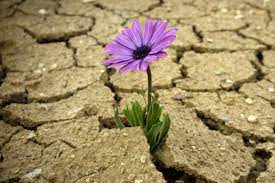
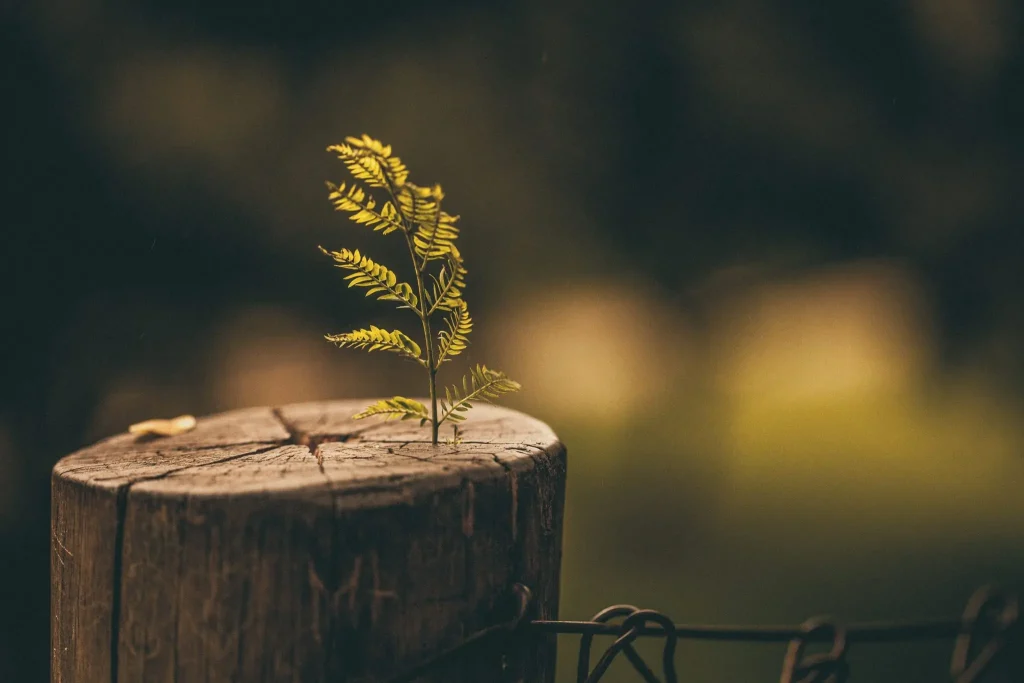
In conclusion, resilience is a valuable skill that can be cultivated and strengthened over time. By adopting a proactive approach to building psychological strength and resilience, you can navigate life’s challenges with greater confidence and resilience. Remember that resilience is not about avoiding adversity altogether but rather about bouncing back stronger and more resilient than before. With the right mindset and strategies, you can harness the power of resilience to thrive in the face of adversity and create a life of meaning and fulfillment.